

Living in Utah means dealing with wild temperature swings, especially in February. A sunny, 45-degree afternoon can quickly turn into a freezing, snow-covered night. While this weather is great for skiing, it creates the perfect recipe for a homeowner’s worst nightmare: ice dams.
At A and C Roofing Specialists, late winter is one of our busiest times for emergency maintenance. Here is what you need to know to protect your home before the spring thaw arrives.
What is an Ice Dam?
An ice dam forms when heat from your attic melts the snow on your roof. The water runs down toward the edges, but because the roof edge (the overhang) is colder, the water refreezes. Over days and weeks, this creates a solid block of ice that traps melting snow behind it.
With nowhere else to go, that trapped water backs up under your shingle roofing and seeps directly into your attic, insulation, and interior walls.
Signs You Have a Winter Roofing Problem
You don’t need to climb a ladder in the snow to spot trouble. Look for these warning signs from the ground:
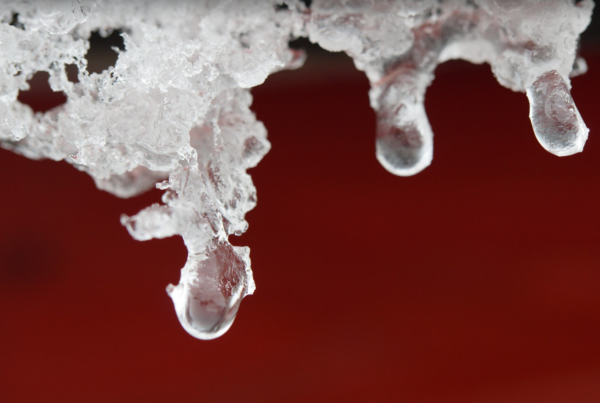
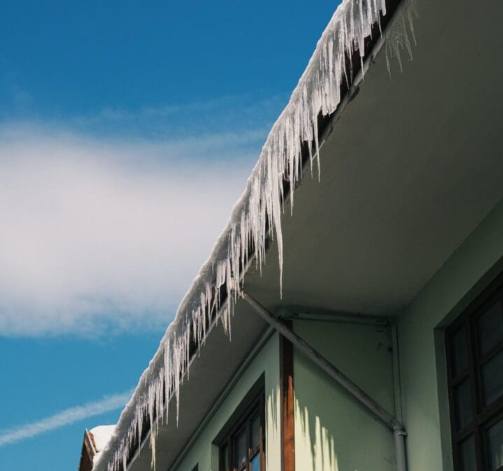
- Massive Icicles: While a few small icicles are normal, large, heavy icicles hanging from your gutters are a strong indicator that water is backing up.
- Water Stains: Check the ceilings and upper corners of your exterior walls on the top floor of your home.
- Sagging Gutters: The sheer weight of solid ice can pull your gutters and fascia away from the house.
How to Prevent Damage
The best defense against ice dams is a combination of proper insulation and a well-maintained roofline. Ensuring your soffit provides adequate ventilation keeps your attic temperature consistent, preventing that initial snowmelt.
If you suspect your roof has taken a beating this winter, don’t wait for a leak to ruin your drywall. Reach out to A and C Roofing Specialists for professional maintenance and inspection. We build and repair roofs specifically designed to handle Utah’s toughest weather.